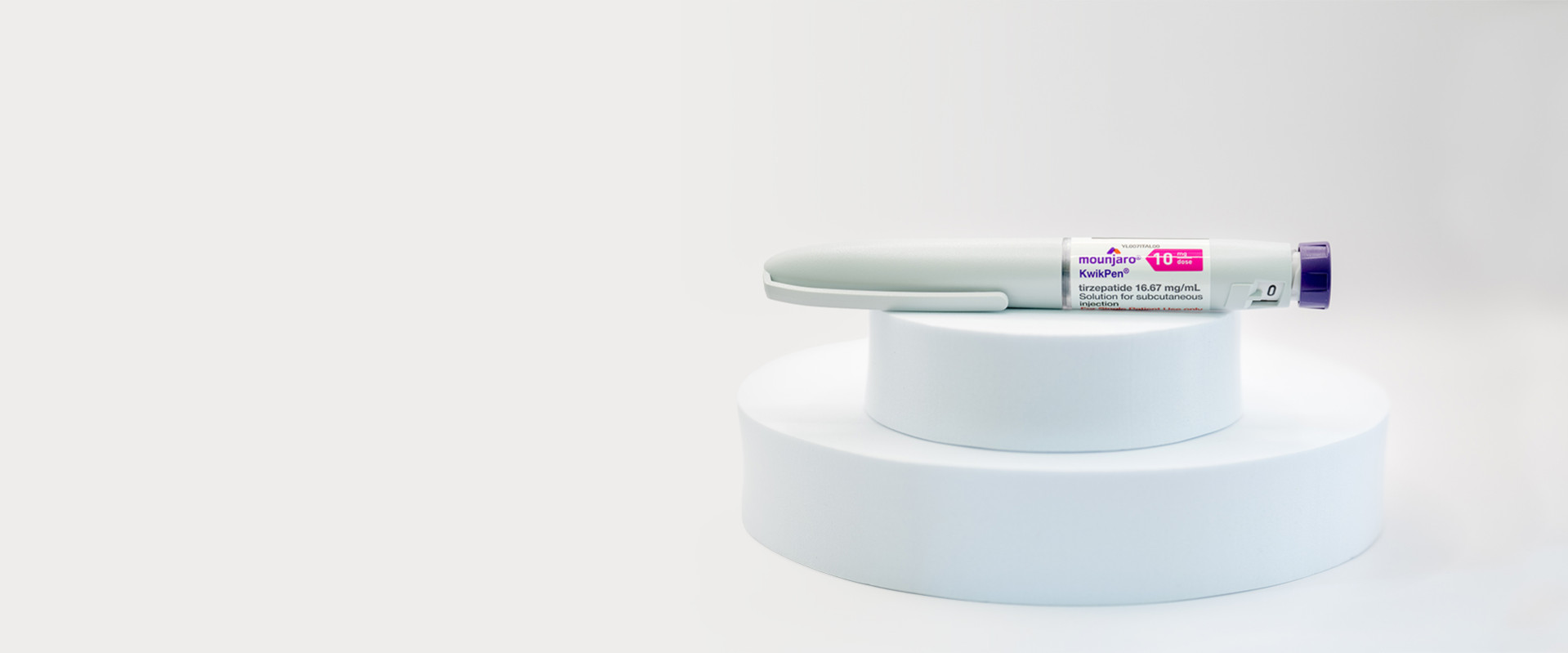
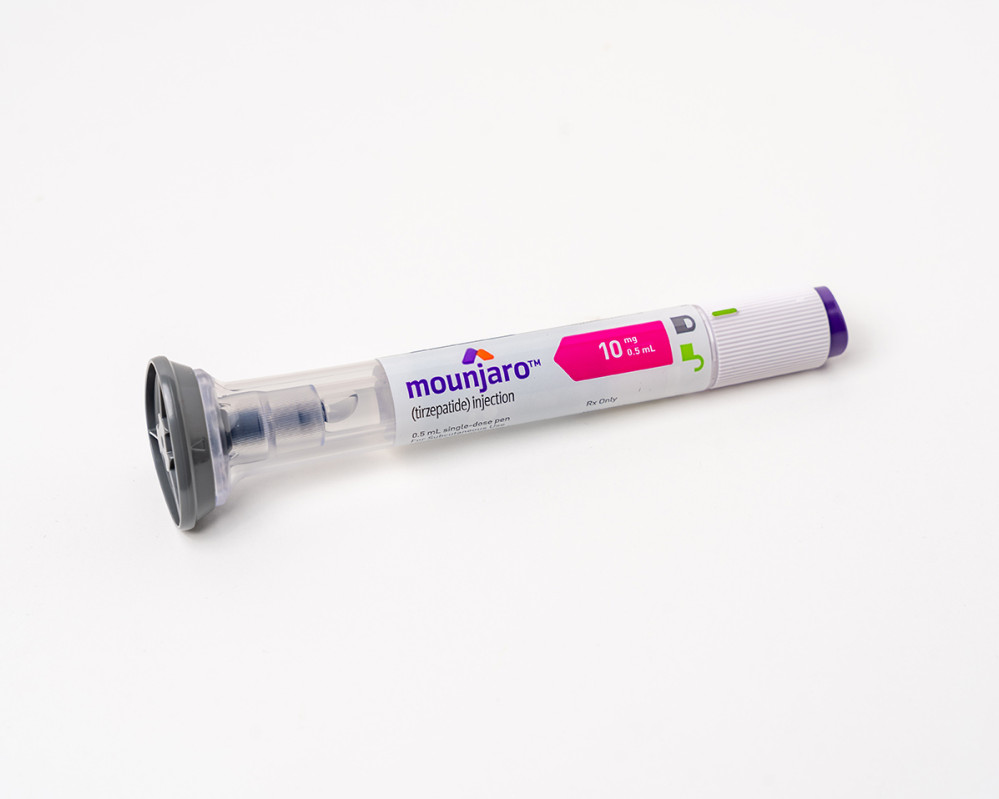
What Is Mounjaro?
It behaves like the natural hormones GLP-1 and GIP to lower blood glucose concentrations, slow gastric emptying, regulate appetite and decrease food intake.
Mounjaro is a prescription medicine, and requires a prescription from a New Zealand registered healthcare professional.
The starting dose of Mounjaro is 2.5 mg once weekly. After 4 weeks, a prescribing healthcare professional may increase the dose to 5 mg once weekly, the first maintenance dose. Subsequent dose increases are to be determined by a prescribing healthcare professional.
About Mounjaro
How Does Mounjaro Work?
Mounjaro contains a long-acting receptor agonist that targets GIP and GLP-1 receptors throughout the body.
- Reduces glucose concentrations when fasting and after eating
- Feeling fuller after eating
- Reduces appetite and food intake
Who Can Use Mounjaro?
Adults
Mounjaro is approved for adults who are living with:
Obesity: BMI of 30 kg/m² or greater, OR
Overweight with complications: BMI of 27-30 kg/m² with at least one weight-related comorbid condition (e.g., hypertension, dyslipidaemia, obstructive sleep apnoea, cardiovascular disease, prediabetes or type 2 diabetes mellitus)
Insufficiently controlled type 2 diabetes mellitus
Mounjaro is a prescription medicine. Your doctor will review your health status and eligibility as part of an assessment.
How is Mounjaro Administered?
Dosing Schedule
Administration: A once weekly subcutaneous (under the skin) injection
Maintenance doses: 5 mg once weekly, 10 mg once weekly or 15 mg once weekly, as determined by your doctor.
Additional care:
Type 2 diabetes: Mounjaro is prescribed in combination with diet and exercise. Your doctor may prescribe Mounjaro in addition to an existing diabetes medicine.
Obesity and overweight: Mounjaro is prescribed in combination with a reduced-calorie diet and increased physical activity.
How much does Mounjaro cost?
| Mounjaro Strength | Price |
| 2.5mg | $430 |
| 5mg | $500 |
| 7.5mg | $690 |
| 10mg | $690 |
| 12.5mg | $875 |
| 15mg | $875 |

More about Mounjaro
Common Side Effects
All medicines can have side effects. Some side effects may need medical attention.
Less serious side effects:
- Feeling sick (nausea)
- Diarrhoea
- Vomiting
- Abdominal (stomach) pain
- Feeling less hungry (decreased appetite)
- General feeling of tiredness
- Injection site reaction
- Hypoglycaemia (low blood sugar) when Mounjaro is used with certain medicines for type 2 diabetes mellitus
- Heartburn
- Indigestion (dyspepsia)
- Swelling or bloating of the stomach
- Constipation
- Burping or belching
- Farting (flatulence)
- Bloating and/or difficulty passing wind
- Dizziness
- Dehydration
- Hair loss
- Low blood pressure (hypotension)
- Increased pulse (heart rate)
- Changes to how foods or drinks taste
- Changes to sensation or unusual feelings of the skin
Serious Side Effects (Seek Immediate Medical Attention)
Emergency Situations
- Severe allergic reaction: Symptoms may include rashes, itching and rapid swelling of the tissues of the neck, face, mouth and/or throat, hives, or problems breathing or swallowing
- Pancreatitis: Severe pain in the stomach or back that does not go away and vomiting and/or diarrhoea
- Gallbladder complaints: Symptoms may include sudden, severe pain in your upper stomach (abdomen), fever, yellowing of the skin or eyes, and clay-coloured stools
If you experience slowing down or blockage of your intestinal function, tell your doctor as soon as possible.
Managing side effects
- Follow your doctor’s instructions to start on a low dose and slowly increase to our maintenance dose
- Drink plenty of fluids
- Avoid fried and fatty foods
- Eat smaller meals
- Contact your doctor if side effects are severe or persistent
Important Safety Information
Do NOT Use Mounjaro If You:
- Are allergic to tirzepatide or any ingredients
- Are pregnant or planning pregnancy
- Are breastfeeding
- Have Type 1 diabetes
- Are using other weight loss products
Storage And Handling
Refrigeration: Store your Mounjaro KwikPen at 2°C to 8°C
Room temperature: When refrigeration is not possible, you can store your KwikPen at room temperature (below 30°C) for up to 30 days
Protection: Your Mounjaro KwikPen contains glass parts. Handle carefully. Do not use your Mounjaro KwikPen if it has been dropped on a hard surface
Keep your Mounjaro KwikPen in its original package in order to protect it from light
Do not allow your Mounjaro KwikPen to freeze.